
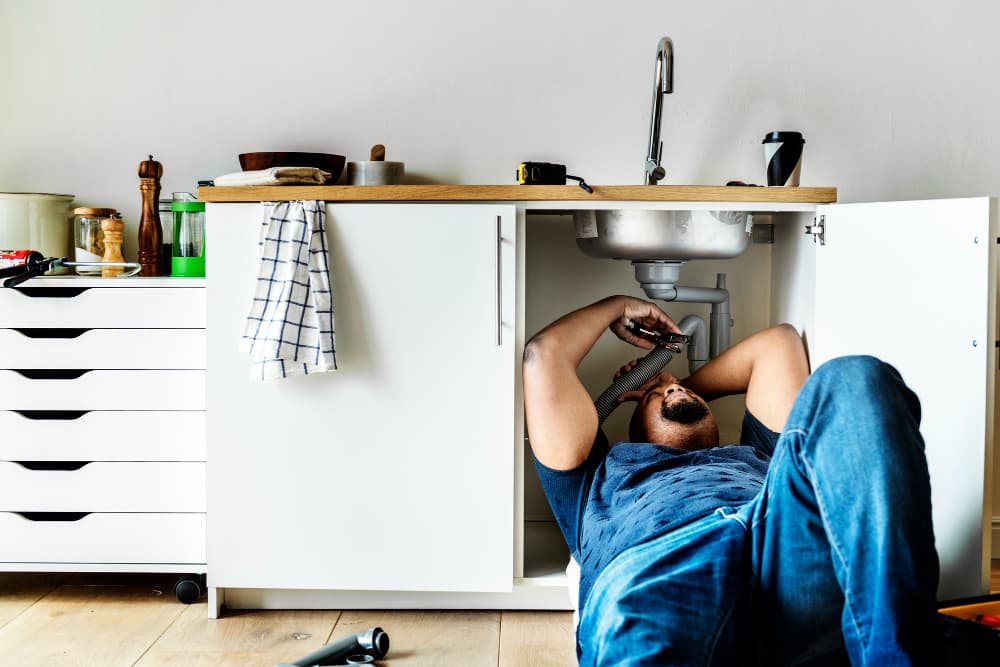
Sink still blocked after using unblocker? Learn why sink unblocker often fails, how to use a plunger on a sink properly, and when to call Call2Drain for professional drain unblocking.
A blocked sink is one of those household problems that looks simple until it refuses to clear. You pour in a bottle of sink unblocker, wait, run the tap, and the water still sits there. Or it drains for a few seconds, then comes straight back up with greasy residue, food waste, or an unpleasant smell. If your sink is still blocked after using unblocker, the issue may be more stubborn than a small plug of debris just below the plughole.
Before calling a drain specialist, there are a few sensible DIY steps you can try. Done properly, they can clear minor sink blockages caused by soap, fat, food scraps, hair, and everyday grime. Done incorrectly, they can waste time, make a mess, or push the blockage further along the pipework.
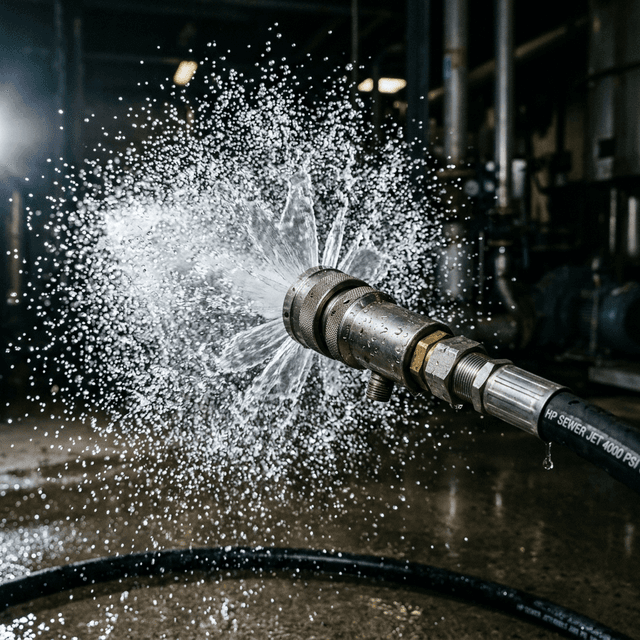
If a sink will not clear after sensible DIY steps, the blockage may be further down the line.
Why Sink Unblocker Often Does Not Work
Chemical sink unblocker can be useful for some soft, localised blockages, but it is not a guaranteed fix. Many blocked kitchen sinks are caused by a build-up of cooled fat, grease, food particles, coffee grounds, and detergent residue. Bathroom sinks are more likely to collect hair, soap scum, toothpaste, and cosmetic products. Over time, these materials can form a dense restriction that a shop-bought product only partly breaks down.
Another common problem is location. If the blockage is sitting in the trap directly under the sink, a sink unblocker may reach it. If the obstruction is further along the waste pipe or into the external drainage line, the product becomes diluted before it can do much useful work.
There is also the safety issue. Mixing different drain chemicals, using too much product, or plunging immediately after adding chemicals can be hazardous. If you have already used sink unblocker, read the label carefully and avoid adding any other chemical product.
First Checks Before You Start
Remove the plug, strainer, or pop-up waste if accessible and look for visible debris. Hair, food scraps, labels, cotton buds, and small pieces of packaging can collect around the plughole. Remove what you can by hand using gloves. Avoid forcing sharp objects down the waste, as this can damage fittings or wedge debris further in.
Next, check whether other fixtures are affected. If only one sink is slow, the blockage may be local to that fixture. If the bath, shower, toilet, or another sink is also slow to drain, the problem may be further down the shared pipework.
How to Use a Plunger on a Sink Properly
A plunger is often more effective than sink unblocker when used correctly. The aim is not simply to push water down the pipe. A good plunging action creates pressure and suction that can loosen the blockage. For sinks, use a standard cup plunger rather than a toilet flange plunger if possible.
- 01Remove the plug or strainer and clear any visible debris from the plughole.
- 02If you have used chemical sink unblocker, follow the safety instructions first and avoid splashing contaminated water.
- 03Add enough water to cover the rubber cup of the plunger. The plunger needs water, not air, to create pressure.
- 04Block the overflow opening with a wet cloth or tape. Without this, pressure escapes through the overflow instead of working on the blockage.
- 05Place the plunger squarely over the plughole and press down gently to form a seal.
- 06Pump firmly up and down for 15 to 20 seconds, keeping the seal in place.
- 07Lift the plunger away and see whether the water drains. Repeat several times if there is some improvement.
- 08Flush with warm water once the sink starts draining, but avoid boiling water if you have delicate plastic pipework or recently used chemicals.
The overflow step is the one many people miss. If you do not seal the overflow, most of the force escapes before it reaches the blockage. A tight seal around the plughole matters too. If the plunger is sitting at an angle or the cup is not covered by water, you will mostly be moving air.
Common Mistakes That Make a Blocked Sink Worse
One of the biggest mistakes is repeatedly pouring chemicals into a sink that has not drained. This leaves harsh product sitting in the basin or pipework and can make later work more dangerous. Another is using boiling water on every blockage. Hot water can help with light grease, but if the pipe is fully blocked it may simply leave you with a sink full of hot, dirty water.
Some people try to force the blockage with wire, rods, or improvised tools from above the plughole. This can scratch fittings, puncture flexible waste pipes, damage seals, or push a compact blockage further along the system. Dismantling the trap under the sink can be a reasonable DIY job if you are confident, but it should be done carefully with a bucket underneath and no chemical product sitting in the pipework.
Signs the Blockage Is Further Down the Line
If your sink is still blocked after using unblocker and a proper plunging attempt, the obstruction may be beyond the sink trap. This is especially likely if water backs up into another fixture, you hear gurgling from nearby drains, or there is a foul smell coming from the plughole. In kitchens, external gullies can also become restricted with fat and food waste, causing water to return inside.
- 01The sink drains slowly, then stops again within minutes.
- 02Water rises in another sink, bath, shower, or outside gully.
- 03There are gurgling noises after the tap is turned off.
- 04Bad smells remain even after cleaning the plughole.
- 05The blockage returns regularly despite using sink unblocker.
- 06There is standing water around an outside drain or inspection cover.
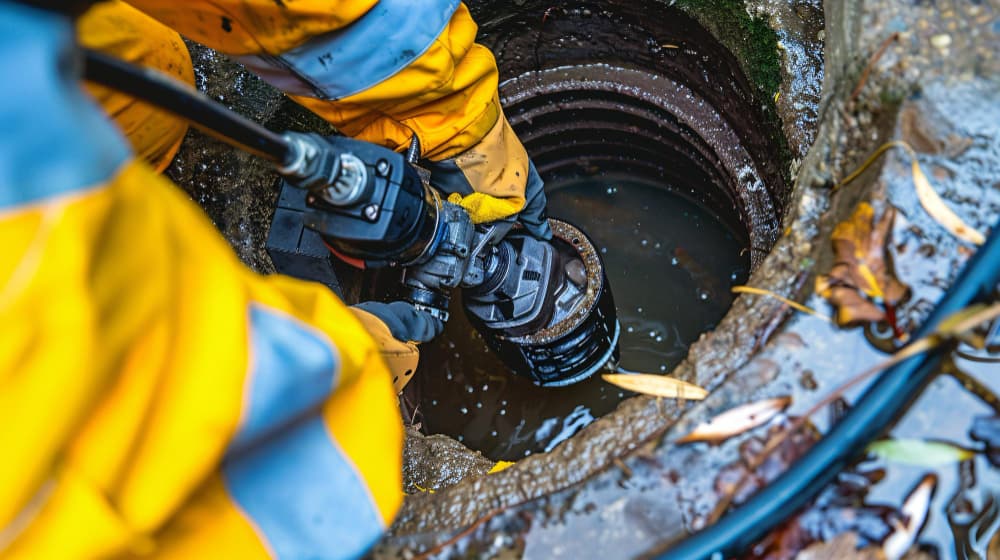
Professional clearance is usually the right next step when DIY only clears symptoms temporarily.
When DIY Stops Working
DIY methods are worth trying when the blockage is minor and local. They are not the right answer when the sink remains blocked after sensible attempts, when several fixtures are affected, or when water is backing up. At that point, the issue may need professional equipment to locate and clear the obstruction properly.
A drainage specialist can assess whether the problem is in the sink waste, the internal pipework, the external gully, or the main drain. Professional drain unblocking equipment can remove tougher restrictions rather than temporarily opening a small channel through them.
Call2Drain Can Help If the Sink Still Will Not Clear
If you have tried sink unblocker, cleared the plughole, and used a plunger on the sink properly but the water still will not drain, the blockage is likely further down the line. That is where Call2Drain comes in.
For a blocked sink that will not clear, call 01892 571 555 or book professional drain unblocking. We will help you understand the next step before a small blockage becomes a bigger problem.
Frequently Asked Questions
Why is my sink still blocked after using unblocker?+
The blockage may be too dense, too far down the waste pipe, or caused by grease, food, hair, soap residue, or a deeper drain restriction that shop-bought unblocker cannot fully break down.
Can I use a plunger on a sink?+
Yes. Use a cup plunger, cover the overflow, add enough water to cover the plunger cup, create a tight seal, and plunge firmly for short bursts.
What should I avoid when a sink is blocked?+
Avoid mixing chemicals, repeatedly pouring unblocker into standing water, forcing sharp objects down the plughole, or using boiling water where chemicals or delicate plastic pipework are involved.
When should I call a drain specialist for a blocked sink?+
Call a specialist if the sink remains blocked after sensible DIY steps, several fixtures drain slowly, water backs up elsewhere, bad smells persist, or the blockage keeps returning.