
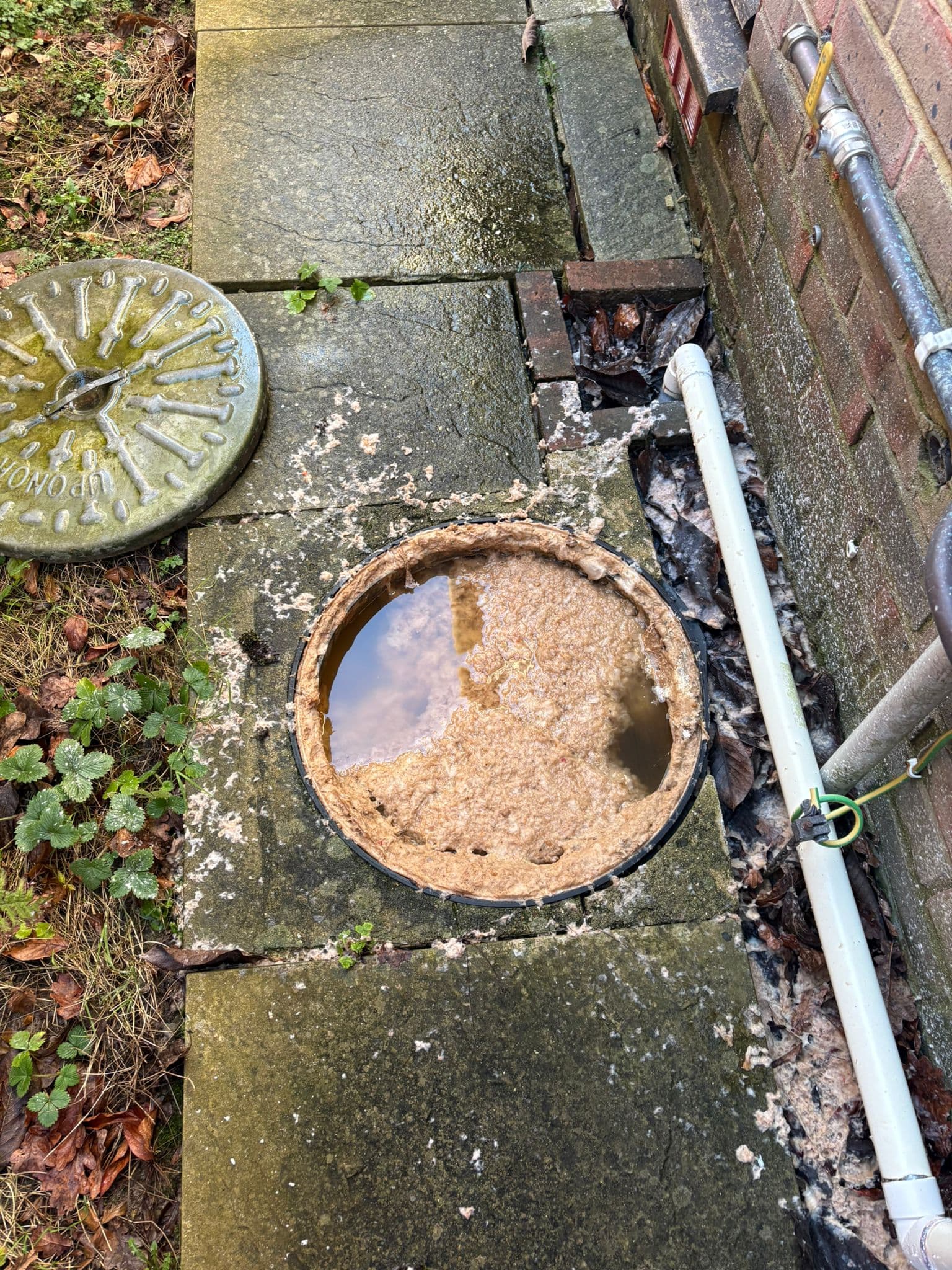
A clear 2026 guide to UK cesspit emptying costs, what affects the price, how often to book, and how to avoid unexpected charges.
If you are searching for cesspit emptying cost UK, you are probably trying to work out whether a quote is fair, whether the job can wait, and what you should expect before a tanker arrives. That is sensible. Cesspits are not optional maintenance: they store wastewater from your property and must be emptied by a licensed waste carrier before they overflow, smell, or cause drainage problems.
For most domestic properties in 2026, a straightforward cesspit emptying visit in the UK is likely to fall somewhere between £175 and £300. Smaller or easy-access jobs may be less, while large tanks, difficult access, urgent callouts, and high waste volumes can push the price above that. For larger cesspits, costs of £300 to £450+ are not unusual. The important point is that a fair company should explain what is included before the job starts.
At Call2Drain, we believe customers should know what they are paying for. This guide explains typical UK price ranges, what changes the quote, how cesspit costs compare with septic tank emptying cost, and when it is better to book now rather than wait.
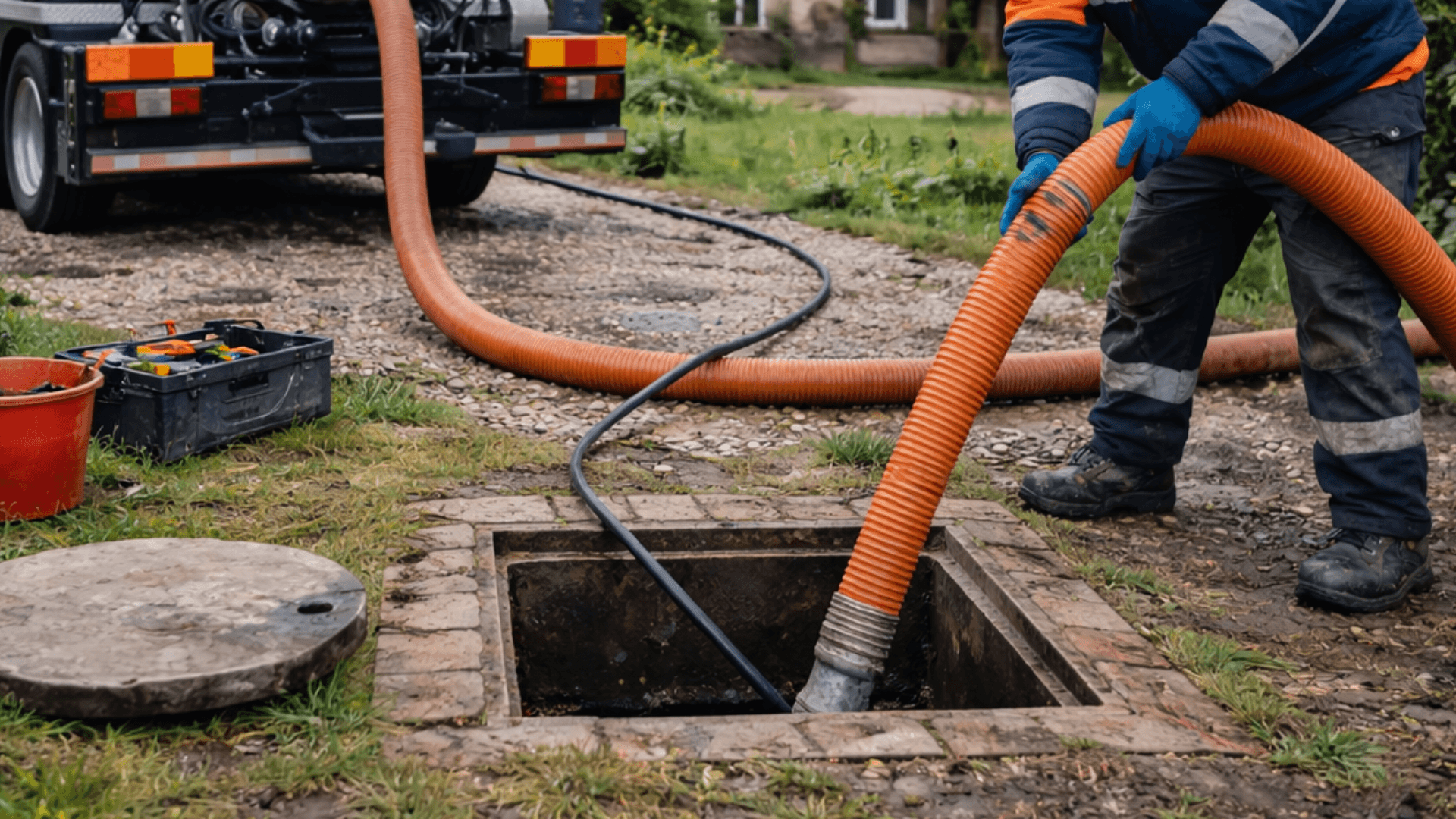
Cesspit emptying costs are driven by volume, access, disposal, and urgency.
Average Cesspit Emptying Cost in the UK
The average cesspit emptying cost depends mainly on volume. A small domestic cesspit or partial load is normally cheaper than a large tank that needs a full tanker visit. As a broad 2026 guide, many UK households can expect something like the following:
- 01Up to around 1,000 gallons / 4,500 litres: roughly GBP 150 to GBP 200, depending on area and access.
- 02Around 2,000 gallons / 9,000 litres: roughly GBP 200 to GBP 275 for many domestic jobs.
- 03Around 3,000 gallons / 13,500 litres: roughly GBP 280 to GBP 350, sometimes more in higher-cost areas.
- 04Around 4,000 gallons / 18,000 litres: roughly GBP 380 to GBP 450+, especially where disposal, travel, or access add time.
These are realistic working ranges, not fixed prices. VAT, disposal fees, distance to a licensed treatment site, and local availability can all affect the final figure. A quote that is much lower than the market average is worth questioning if it does not clearly include legal waste disposal.
Why Cesspit Emptying Costs More Over Time Than Septic Tank Emptying
A cesspit and a septic tank are not the same thing. A septic tank separates solids and allows treated liquid to discharge through a drainage field, subject to rules and site conditions. A cesspit is a sealed holding tank. It stores everything until it is pumped out.
That difference matters for cost. The septic tank emptying cost for a standard domestic property is often quoted around £175 to £300 per visit, but many septic tanks only need emptying once or twice a year, depending on usage and tank size. A cesspit may need emptying every few weeks or months because no treated water leaves the tank. The single visit price may look similar, but the annual running cost can be much higher.
What Affects the Price?
Tank Size and Waste Volume
The larger the cesspit, the more waste has to be removed and transported. Some companies price by tank size, some by tanker load, and others by estimated volume. If you know your tank capacity, share it when asking for a quote. If you do not, explain the property size, number of occupants, and when it was last emptied.
Access for the Tanker
Access is one of the biggest reasons quotes change. A tanker needs to park close enough for safe hose runs. Narrow lanes, steep drives, locked gates, buried lids, long distances from vehicle to tank, or obstructed covers can add time and labour. Good access usually means a faster job and a cleaner price.
Location and Disposal Distance
Waste has to be taken to an authorised disposal point. If your property is far from the operator or far from a licensed treatment facility, the cost may be higher. Prices can also vary between rural areas, the South East, London commuter towns, and regions with fewer local tanker operators.
Urgency
A planned visit is usually cheaper than an emergency callout. If your cesspit is close to full but not overflowing, book promptly. Waiting until drains back up, toilets gurgle, or wastewater appears outside can turn a routine empty into an urgent drainage job.
Hidden Costs to Watch For
Most reputable companies are clear about what is included. Problems usually happen when a customer compares a headline price without checking the detail. Before you book, ask whether the quote includes VAT, waste disposal, a standard hose run, labour, and the expected volume.
- 01Extra hose length if the tanker cannot get close to the cesspit.
- 02Additional labour if the lid is buried, seized, unsafe, or difficult to uncover.
- 03Emergency or out-of-hours charges for same-day, evening, weekend, or bank holiday visits.
- 04Extra volume charges if the tank is larger or fuller than expected.
- 05Drain unblocking or jetting if the issue is not only a full cesspit.
- 06Inspection or CCTV survey costs if there are signs of damage, collapse, or repeated backing up.
A low quote is not always a bad quote, but it should be complete. If a price sounds unusually cheap, ask where the waste is going and whether the operator is licensed. Proper disposal protects you, your property, and the environment.
How Often Should a Cesspit Be Emptied?
There is no one-size-fits-all schedule. A small cesspit serving a busy household may need frequent emptying, while a larger tank at a lightly used property may last longer. Usage is the key: toilets, showers, baths, washing machines, dishwashers, and visitors all increase wastewater volume.
As a practical guide, some cesspits need emptying every month, while others may last several months between visits. Holiday lets, rural homes with larger families, and commercial sites should be monitored closely because occupancy can change quickly. If you have recently moved into a property with a cesspit, arrange an inspection or first empty early so you can establish a reliable pattern.
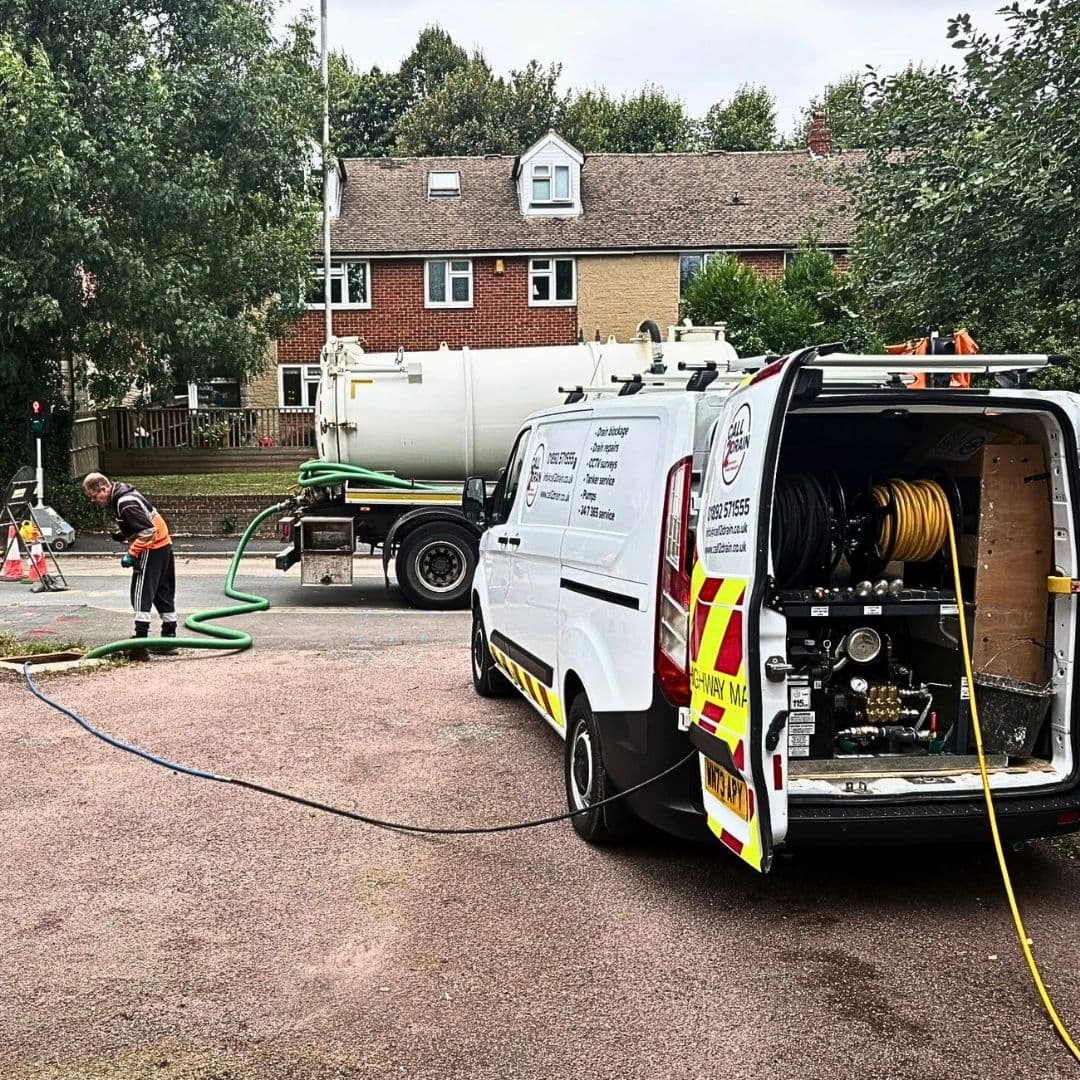
A planned tanker visit is normally easier and cheaper to manage than an overflow.
When to Call a Professional Rather Than Wait
If you know the tank is getting full, do not wait for a visible failure. Call a professional if you notice slow-draining toilets, gurgling pipes, sewage smells, damp ground near the tank, waste backing up, or a high-level alarm. These signs can mean the cesspit is full or that there is a separate blockage in the drainage line.
You should also call if the tank has not been emptied on schedule, if you are unsure when it was last serviced, or if you are buying a rural property and need to understand the system. A planned cesspit empty is normally far less stressful than dealing with an overflow.
Cesspit waste must be removed, transported, and disposed of correctly by a licensed waste carrier. It is not a DIY job and it should never be discharged into drains, ditches, watercourses, fields, or soakaways.
Get a Fixed Cesspit Emptying Quote
If you need a fair, transparent quote for cesspit emptying, speak to Call2Drain. We help domestic and commercial customers arrange professional waste removal, drainage support, and related services such as drain unblocking, septic tank emptying, and CCTV drain surveys where needed.
Get a fixed quote today: call 01892 571 555 or contact Call2Drain online. Tell us your location, tank size if known, access details, and how urgent the job is, and we will give you clear next steps.
Frequently Asked Questions
How much does cesspit emptying cost in the UK in 2026?+
For many domestic properties, a straightforward cesspit emptying visit is commonly quoted in the low hundreds. The final price depends on tank size, waste volume, access, location, disposal costs, and urgency.
Why can cesspit emptying cost more than septic tank emptying over a year?+
A cesspit is a sealed holding tank, so all wastewater stays in the tank until it is removed. Septic tanks usually need less frequent emptying because treated liquid can discharge through a drainage field where the system is compliant and working correctly.
How often should a cesspit be emptied?+
It depends on tank capacity, household size, water usage, and whether the property has heavy guest or commercial use. Some cesspits need emptying monthly, while others may last several months between planned visits.
What hidden costs should I ask about before booking?+
Ask whether VAT, disposal, standard hose length, labour, and the expected volume are included. Also ask about emergency attendance, long hose runs, buried covers, and extra volume charges.
When should I call Call2Drain for cesspit emptying?+
Call before the tank reaches capacity, especially if you notice slow toilets, gurgling pipes, sewage smells, damp ground near the tank, backing up waste, or a high-level alarm.